East Mesa vs west Mesa: Which side makes more sense for your move?
Request a Moving
Quote Today
"*" indicates required fields


Mesa changes noticeably from west to east. West Mesa generally offers older, more established neighborhoods and easier access toward Tempe, while East Mesa brings newer development, Gateway-area growth, and closer desert recreation. Your best fit depends on housing costs, daily travel, schools, and the type of neighborhood you want.
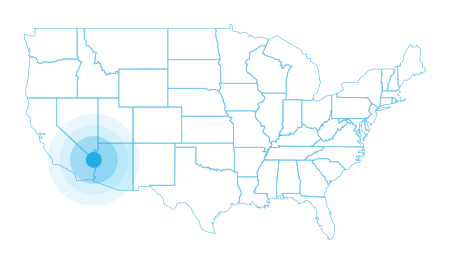
Mesa is a big city, and choosing where to live can change your daily routine. It covers about 138.7 square miles and had 513,656 residents in 2025. That population alone makes Mesa larger than many people expect. A move across town can affect commute times, housing costs, schools, shopping, and recreation. Western Mesa sits closer to Tempe and Downtown Mesa. Eastern Mesa reaches toward Usery Mountain and the Gateway area. So, which side makes more sense? It depends on your priorities. Comparing East Mesa vs west Mesa means looking at the details that shape everyday life. Anyone searching for the best part of Mesa AZ to live in should start with those practical differences. Likewise, choosing East or West Mesa for moving depends heavily on your normal routine. Experienced Arizona movers also see how those differences can affect relocation planning.
Where does East Mesa vs west Mesa begin to feel different?
There is one clear technical dividing point. Center Street separates east and west addresses in Mesa. Still, local real estate searches do not follow that line neatly. That is where things get more practical. West Mesa often refers to areas around:
- Dobson Road
- Alma School Road
- Downtown Mesa
East Mesa stretches much farther toward Power Road, Ellsworth Road, and beyond. It also helps to separate northeast Mesa from southeast Mesa. Northeast Mesa includes places near Las Sendas and Usery Mountain. Southeast Mesa includes Eastmark and the wider Gateway area. That Gateway planning area covers about 32 square miles. It surrounds Phoenix-Mesa Gateway Airport and includes major development zones.
Meanwhile, western Mesa contains some of the city’s oldest neighborhoods. The West Second Street Historic District, for example, includes 89 buildings. Its historic period stretches from 1883 to 1959. For someone deciding on the best part of Mesa AZ to live in, these smaller geographic differences matter. So, one simple east-west line does not tell the whole story.
How do East Mesa and West Mesa differ beyond the boundary?
What types of homes can you find in East Mesa vs west Mesa?
Housing may be the biggest difference for many movers. Current market data shows a noticeable price gap between the two areas. In August 2026, East Mesa had a median listing price of $469,999. The median sold price was $445,000. Active listings averaged $266 per square foot. Median rent was $1,650 per month. West Mesa looked different. In July 2026, the median listing price was $355,000. Median rent was $1,315. That makes housing costs an important factor when choosing East or West Mesa for moving. But averages can hide major neighborhood differences. Some current examples show how wide that spread can be:
- Dobson Ranch listed around $417,500.
- Las Sendas reached about $635,975.
- Leisure World was closer to $346,750.
- ZIP code 85207 reached $631,950.
- ZIP code 85201 was around $285,250.
That is a big spread. West Mesa generally offers more established housing and multifamily options. East Mesa includes older homes too, but also much newer development. Buyers trying to identify the best part of Mesa AZ to live in should also compare HOA fees, home age, and likely maintenance costs.

How does your commute change depending on where you live?
Mesa’s average commute is about 24.7 minutes, but that citywide number only tells part of the story. Where are you driving most days? If the answer is Tempe or Phoenix, western Mesa can make daily travel easier. US 60 provides an important route across southern Mesa, while Loop 202 also serves large parts of the city. For commuters, choosing East or West Mesa for moving can therefore affect years of daily travel. People relocating near the western edge may also find that established Tempe movers work across many of the same East Valley routes and neighborhoods. Southeast Mesa adds another major road. State Route 24 connects Loop 202 with Ironwood Drive across roughly 5 miles. Planned work will add more general-purpose lanes and new grade-separated crossings. Those planned crossings include:
- Williams Field Road
- Crismon Road
- Signal Butte Road
- Meridian Road
Gateway Airport also matters for southeast Mesa. The airport handled 2,036,218 commercial passengers in 2025. That means eastern Mesa can work well for Gateway-area jobs and frequent airport users. Still, a short freeway distance does not always mean a short commute. School drop-offs and surface streets can change the total quickly.
Which side gives you easier access to shopping and entertainment?
West Mesa has a strong advantage if you want quick access to Downtown Mesa or Tempe. Mesa Arts Center sits at 1 East Main Street. It includes:
- 4 theaters
- 5 galleries
- 14 art studios
- A largest theater seating 1,570 people
Nearby, the Asian District runs along Dobson Road between Main Street and Southern Avenue. The corridor has more than 70 Asian businesses. That gives west-side residents a wide range of restaurants, markets, and specialty shops. These amenities can influence anyone comparing the best part of Mesa AZ to live in. East Mesa offers a different type of convenience.
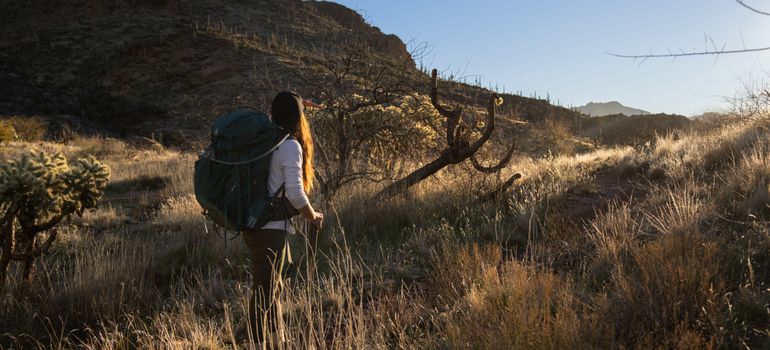
Superstition Springs Center sits at 6555 East Southern Avenue. Farther northeast, Usery Mountain Regional Park covers about 3,648 acres. It sits next to Tonto National Forest and the Goldfield Mountains. The park also has more than 70 developed campsites. Want downtown events and rail access? West Mesa may feel easier. Prefer hiking and desert access? East Mesa has more of that nearby. Recreation preferences can therefore help settle the question of East or West Mesa for moving.
Where is new development changing Mesa the fastest?
Southeast Mesa is where much of the city’s newer growth is concentrated. The Mesa Gateway Strategic Development Plan covers about 32 square miles. Phoenix-Mesa Gateway Airport sits at the center of that area. Eastmark is also part of this broader growth pattern. Mesa recently added another major public facility there. Gateway Library covers about 28,000 square feet at 5036 South Eastmark Parkway. It sits beside Eastmark’s Great Park.
Transportation growth supports this development too. SR 24 expanded east in August 2022. That project added about 4.5 miles beyond Ellsworth Road. More improvements are planned toward Ironwood Drive. The airport is growing as well. It recorded more than 2 million commercial passengers in 2025 and 304,874 aircraft operations. Buyers looking for the best part of Mesa AZ to live in may value this newer infrastructure. That pace of growth can be appealing. Still, newer development can also mean ongoing construction and changing traffic patterns nearby.
What should families check before choosing a Mesa neighborhood?
Families should pay close attention to school boundaries because they do not follow a simple east-west split. Mesa Public Schools assigns students based on attendance boundaries. Open enrollment is also available when schools have space. However, transportation may become the family’s responsibility under open enrollment. Boundaries can change too. For the 2026–27 school year, changes affected Wilson-area options. Those changes involved:
- Jefferson
- Johnson
- Madison
- Franklin Accelerated Academy
That is why the exact address matters more than the broad side of town. Mesa also has a mixed age profile. About 22.5% of residents are under 18. Another 17.5% are age 65 or older. That helps explain the range of housing options across the city. Eastern Mesa includes several age-focused communities, including Leisure World and Apache Wells. For families comparing East or West Mesa for moving, schools are only one part of the decision. Families should also think about parks, healthcare access, grocery stores, traffic, sidewalks, and daily drive times. Those details can determine the best part of Mesa AZ to live in for a particular household.
Does your Mesa location affect moving day?
Yes. More than many people expect. Older western neighborhoods can have smaller lots and tighter streets. Apartment-heavy areas may also involve stairs, longer carries, or restricted loading zones. Newer eastern communities can present different challenges.
Gated entrances may require access codes. HOAs may limit moving hours. Active construction can also affect parking and street access. These practical differences matter when weighing East or West Mesa for moving. Local Mesa movers regularly work around these access differences across both older and newer parts of the city.
Southeast Mesa adds another factor: airport activity. Planning maps identify formal overflight areas and noise contours around Phoenix-Mesa Gateway Airport. That matters for people moving close to the airport. The airport recorded 304,874 aircraft operations in 2025, so the activity is significant. Road access matters too. SR 24 connects much of the Gateway area with Loop 202. For moving day, practical details make the biggest difference. Gate access, elevator reservations, and loading distance can all affect timing.
How can you decide which part of Mesa fits your move?
There is no single answer that works for everyone. East Mesa vs west Mesa really comes down to your daily priorities. West Mesa can make sense if you want easier access to Tempe, Downtown Mesa, and light rail. It also has lower current median listing and rental prices overall. East Mesa offers something different. You get more newer development, easier access to Gateway, and stronger access to desert recreation. If you are choosing East or West Mesa for moving, compare the exact neighborhood rather than the broad side of town. School boundaries, HOA costs, airport activity, and road access can all change the picture. That is what makes the final choice practical rather than theoretical. If you are preparing for the move itself, you can contact us to discuss the details of your Mesa relocation.
FAQ
Everything you need to know before hiring Arizona movers, from costs and scheduling to services and move-day expectations.
Is Mesa, Arizona expensive to live in?
Mesa is generally more affordable than several nearby East Valley cities. Housing remains the biggest expense, while summer electricity can increase monthly costs because of heavy air-conditioning use.
How hot does Mesa get in summer?
Summer temperatures regularly exceed 100°F, especially from June through September. Hot evenings can also surprise newcomers because temperatures may remain very high after sunset.
Who provides electricity in Mesa?
Electric service depends on the address. Salt River Project serves much of Mesa, while the City of Mesa provides electric service in some areas, particularly around central Mesa.
Where does Mesa get its water?
Mesa uses several water sources. These include the Salt River, Colorado River water delivered through the Central Arizona Project, and groundwater wells. The mix varies across the city.
Can you live in Mesa without a car?
It is possible in limited areas, especially near Downtown Mesa and the light-rail corridor. However, most of Mesa remains car-dependent because neighborhoods, shopping, and employment areas are spread across a large area.
How early should you start planning a move to Mesa?
About 8 weeks is a practical starting point. That gives enough time for scheduling movers, organizing utilities, decluttering, and handling address or school-related arrangements before moving day.