Moving during monsoon season in Phoenix: What can go wrong?
Request a Moving
Quote Today
"*" indicates required fields


Phoenix monsoon moves can face sudden weather changes, from dangerous dust to intense heat and road disruptions. Planning extra time, protecting belongings, and staying flexible can make a summer move much easier to manage.
Phoenix summer moves already require extra planning. Add monsoon weather, and the day becomes less predictable. Moving during monsoon season in Phoenix does not mean every move will face severe weather. Still, conditions can change fast. In August 2026, one Buckeye storm produced an 84 mph wind gust. The official monsoon season runs from June 15 through September 30. Stronger activity often appears from mid-July through mid-August. Phoenix averages only 7.22 inches of rainfall each year, yet short storms can still cause major disruptions. AZ Efficient Moving serves customers throughout Phoenix and nearby communities. Anyone moving during Arizona monsoon season should expect conditions to vary across the Valley. So, is a monsoon move automatically a bad idea? No. It simply needs more flexibility than usual.
What happens when Moving during monsoon season in Phoenix includes a dust storm?
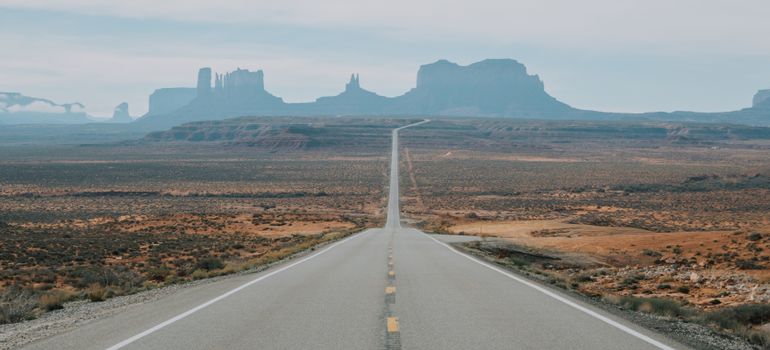
Dust storms can change road conditions very quickly. A route may look clear when the moving truck leaves. Minutes later, visibility can drop sharply. Dust Storm Warnings may be issued when visibility reaches one-quarter mile or less. Gusts during these events can reach 40 to 60 mph. Anyone planning to move during a Phoenix monsoon should account for these sudden visibility changes.
Recent Phoenix storms show how serious that can become. On August 19, 2026, severe storms crossed Greater Phoenix. Winds reached about 55 to 65 mph across much of the metro area. Visibility fell below one mile in several locations. Parts of the East Valley dropped below one-quarter mile. Loop 202 near Power Road saw especially dense blowing dust.
What does that mean during a move? Delays. A moving truck may need to stop until conditions improve. Drivers should leave the highway before visibility collapses whenever possible. Once safely off the roadway, the truck should remain beyond the pavement. Keeping the cargo area closed also helps protect furniture and boxes from blowing dust. Experienced Phoenix movers also need enough scheduling flexibility to respond when Valley road conditions suddenly change.
How visibility changes a Phoenix moving route?
Can flash flooding block your moving route?
Yes, and sometimes faster than expected. Phoenix does not need hours of rain before roads become difficult. A short, intense storm can flood washes and low crossings. Roadway dips can also fill quickly. This is one reason moving during Arizona monsoon season requires more route flexibility than a typical dry-weather move.
Across the Southwest, thousands of crossings flood during summer storms. Around 6 inches of fast-moving water can knock someone down. About 1 to 2 feet can float many vehicles. That risk matters on Phoenix streets and desert routes throughout the Valley.
Water can hide damaged pavement underneath. Flooding may also develop miles from the heaviest rain. Runoff can move through washes and collect in lower areas. The August 19, 2026 storm showed how uneven rainfall can be. Some Greater Phoenix gauges measured 0.50 to 1.30 inches. Phoenix Sky Harbor recorded 0.56 inches during the same event. A dry street near one property can therefore be misleading.
During a flooded-road delay, these problems can affect the move:
- Closed washes may force a different route.
- Road barricades can block access to certain streets.
- Detours can add travel time between properties.
- Highway incidents may affect arrival times.
AZ511 can help show current incidents, closures, and highway camera conditions across Arizona. If you move during a Phoenix monsoon, these route changes can become part of the day’s schedule.
What happens if it rains while movers load your belongings?
Heavy rain can create problems even when it lasts only a short time. On August 22, 2024, Scottsdale received more than half an inch within 30 minutes. Minor street flooding followed. That amount can soak exposed cardboard quickly. Wet boxes become weaker and harder to stack safely. Protecting moisture-sensitive belongings becomes especially important when moving during Arizona monsoon season.
Some belongings need more protection than others during a rainy move:
- Mattresses benefit from fitted protective covers.
- Books and artwork should stay inside until loading.
- Electronics should remain dry until their loading turn.
- Important paperwork can go inside waterproof containers.
- Upholstered furniture should stay covered during transport.
Careful preparation can make these short loading windows easier to manage. Professional packing and unpacking services can also help protect vulnerable belongings before they reach the truck.
Rain also changes the walking surface. Tile and concrete can become slippery. The same applies to stairs, ramps, and metal liftgates. Towels or runners near entrances can help keep indoor areas drier. Truck placement matters too. A shorter walk to the truck reduces rain exposure, but the truck should never block drainage or emergency access.

When should movers stop because of lightning or strong winds?
Strong winds can make normal loading unsafe very quickly. Large furniture becomes harder to control outside. Loose boxes can move unexpectedly, while wrapping materials may blow across the property. Winds around 60 mph can already meet severe thunderstorm criteria. Some Southwest storms produce much stronger gusts. Crews preparing to move during a Phoenix monsoon may therefore need to pause outdoor work quickly.
Phoenix saw a strong example on August 9, 2026. Storms formed near North Mountain Park around 8 p.m. They then moved through Glendale and the West Valley. Tolleson, Avondale, Goodyear, Litchfield Park, and Buckeye all experienced major impacts. A Buckeye weather station recorded an 84 mph gust. Buckeye Municipal Airport measured 73 mph. In Avondale, some 1,000-pound construction pipes were blown into a neighborhood.
Lightning creates a separate risk. It can strike far from visible rain. Thunder already means lightning is close enough to matter. When thunder starts, outdoor loading should pause. A substantial building or hard-topped vehicle offers safer shelter during lightning. Outdoor work should remain paused for 30 minutes after the final thunder.
Can Phoenix heat and power outages disrupt moving during monsoon season?
Definitely. Monsoon clouds do not remove Phoenix’s summer heat. Humidity can also make conditions feel more demanding. Phoenix’s normal July high is 106.5°F, while the normal low is still 84.5°F. August remains nearly as hot. The average high is 105.1°F, and the normal low is 83.6°F.
That makes moving physically demanding before a storm even arrives. Earlier loading can reduce heat exposure during the hottest part of the day. Water should stay easy to reach instead of sitting inside the moving truck. Medication should remain accessible as well. These conditions are particularly important during household relocations, where residential movers may spend several hours carrying belongings between the home and truck. Heat planning remains important throughout moving during Arizona monsoon season.
Storms can also cause power outages. On August 9, 2026, more than 50,000 APS and SRP customers lost electricity at the storm’s peak. That can create several practical problems during a move:
- Apartment elevators may stop working.
- Powered entry gates may fail.
- Garage access can become more difficult.
- Indoor cooling may disappear during extreme heat.
Charged phones and power banks can help maintain communication during unexpected power interruptions.

Will movers cancel or reschedule because of a monsoon?
Not every summer storm leads to a canceled move. Light rain may only slow things down. Severe weather can create a very different situation. That uncertainty is part of moving during Arizona monsoon season, especially when storms develop later in the day.
Lightning may make outdoor loading unsafe. Flooding can block the planned route. Dust can reduce highway visibility. Strong winds can also make large items harder to carry. Severe Thunderstorm Warnings may include winds of 60 mph or more. They can also involve large hail or dense blowing dust.
Phoenix has seen these conditions many times. On August 22, 2024, Sky Harbor measured a 64 mph gust. The storm later moved toward north Tempe and Scottsdale. Downed trees and power lines followed.
Weather can also stretch the moving schedule. Extra wrapping may take longer than expected. Loading may need to slow down. A detour can add even more time. Could the move finish later than planned? Yes. Anyone trying to move during a Phoenix monsoon benefits from leaving extra time for these disruptions.
How can you prepare for a Phoenix monsoon moving day?
A good monsoon moving plan covers more than rain. Heat matters. Road conditions matter too. Power access can also affect the day. Preparation becomes especially useful when moving during Arizona monsoon season, because several hazards can develop within the same afternoon.
Keep a few essentials outside the moving truck:
- Drinking water and necessary medication.
- Identification and important documents.
- Phone chargers and a charged power bank.
- A flashlight for possible power outages.
Route planning deserves equal attention. AZ511 provides current highway conditions across Arizona. It also shows incidents, closures, and camera information. I-10 deserves extra attention during longer moves south of Phoenix. A backup route can be particularly useful if you need to move during a Phoenix monsoon and conditions change after loading begins.
ADOT operates a dust-detection system between Eloy and Picacho Peak. It covers about 10 miles of I-10. The normal 75 mph speed limit can drop to 35 mph during dangerous dust. Electronic signs warn drivers when conditions change.
Inside the home, waterproof containers can protect paperwork and small electronics. Mattress covers should go on before loading begins. Loose patio items should come inside. Moving pads and packing materials should also stay secured when winds begin to increase.
How can you make a Phoenix monsoon move safer?
AZ Efficient Moving focuses on clear planning and careful handling across Arizona. That approach matters even more during monsoon season. Moving during monsoon season in Phoenix can involve sudden dust, flooding, lightning, strong winds, and extreme heat. A flexible schedule and protected belongings can make those changes easier to manage. People who move during a Phoenix monsoon may also need extra time for route changes or short weather pauses. Short delays may prevent bigger problems later. If you want a moving plan built around your route, property access, and timing, contact us and start planning a safer Phoenix move.
FAQ
Everything you need to know before hiring Arizona movers, from costs and scheduling to services and move-day expectations.
What is a haboob in Phoenix?
A haboob is a large wall of blowing dust created by strong thunderstorm winds. Phoenix typically sees about 1 to 3 significant dust storms each year. Individual events can last from several minutes to about an hour.
Should I use plastic bins instead of cardboard boxes during monsoon season?
Plastic bins can provide better moisture protection for documents and sensitive belongings. However, sturdy cardboard boxes remain practical for most household goods when kept dry. A combination of both often works best for a summer move.
What shoes should I wear when moving in the rain?
Choose closed-toe shoes with good traction and slip-resistant soles. Wet concrete, tile, stairs, and moving ramps can become slick quickly. Avoid shoes with smooth soles because they provide less grip on wet surfaces.
How early should I start watching the weather before moving day?
Start checking forecasts several days before the move. Then monitor conditions more closely as moving day approaches. This provides time to prepare protective materials and adjust plans if severe weather becomes increasingly likely.
Should I keep an emergency kit during a Phoenix monsoon move?
Yes. Maricopa County recommends preparing an emergency kit with at least 3 days of food and water. Your moving-day vehicle should also have essential supplies readily accessible rather than packed deep inside the truck.
Can sandbags help if my Phoenix home floods during monsoon season?
They can help protect vulnerable entrances in flood-prone locations. Maricopa County recommends filling sandbags about one-half to two-thirds full and stacking them in a brick pattern near low entrances and doorways.