Moving to Laveen while the area is growing: What new residents should expect
Request a Moving
Quote Today
"*" indicates required fields


Laveen is growing through new housing, commercial projects, road improvements, and rising school enrollment. New residents can expect stronger regional access and expanding services, but also ongoing construction, changing traffic, and noticeable differences between neighborhoods.
Laveen is one of Phoenix’s 15 urban villages, near South Mountain and the Salt River. It still reflects parts of its agricultural past, but development continues quickly. One major change was the 22-mile Loop 202 South Mountain Freeway, which strengthened connections across the Valley. New homes and commercial projects have followed. Moving to Laveen while the area is growing therefore means considering more than the house itself. For anyone researching what to know before moving to Laveen AZ, neighborhood access deserves attention too. Local Arizona movers see how much conditions can vary across Laveen. Roads, schools, shopping, and nearby land uses can shape daily life across different neighborhoods.
Why is Laveen growing so quickly?
Laveen’s growth did not happen overnight. Phoenix has planned for development here for years. Earlier plans placed a village core near 59th Avenue and Dobbins Road. That core covered about 160 acres. The goal included commercial, employment, recreation, and community uses.
Transportation also helped change the area since Loop 202 opened through Laveen in December 2019. That gave residents stronger connections across the Valley. At the same time, large parcels remained available for new housing. Understanding these changes is part of what to know before moving to Laveen AZ. So, why does growth continue? Several factors work together:
- Better regional access supports new development.
- New housing creates demand for nearby services.
- Available land gives developers more room to build.
Still, growth is not equal everywhere. Some areas remain open and lower-density. Others have changed quickly. That difference shapes living in Laveen AZ as the area grows. It also explains why two Laveen neighborhoods can feel very different.
What new developments matter when moving to Laveen while the area is growing?
One major project is Laveen Towne Center. It sits southwest of 59th Avenue and Dobbins Road. Phoenix approved the Planned Unit Development in 2025. The site covers 95.11 acres. What could go there? Quite a lot. The approved plan allows:
- Commercial retail
- Multifamily housing
- Attached single-family homes
- Assisted living
The project also includes transportation requirements. Developers must improve parts of Dobbins Road and 59th Avenue. Plans call for 2 future bus pads along 59th Avenue. Another bus bay is planned near Dobbins Road. A shared-use path also appears in the requirements. These projects belong high on any list of what to know before moving to Laveen AZ. They also matter for Laveen movers working around changing road layouts and development phases.
Will every planned business open exactly as proposed? Not necessarily. Timelines and tenants can change. Still, projects of this size can reshape traffic, shopping patterns, and nearby neighborhoods. That ongoing change is a major part of living in Laveen AZ as the area grows.

What should buyers know about new construction in Laveen?
A new home can look finished while the surrounding area is not. That is common in growing communities. One subdivision phase may be complete while another remains active. This matters in Laveen. Nearby land can still change later. A vacant parcel may eventually become housing, retail, or another use. For buyers considering what to know before moving to Laveen AZ, those future land uses matter. They can affect views, traffic, noise, and daily routines.
Large developments show how quickly surroundings can shift. Laveen Towne Center alone covers more than 95 acres. Its broader planning area includes commercial and residential uses. Buyers should also think about timing. Roads, sidewalks, landscaping, and shared amenities may arrive in stages. HOA fees and rules can also differ between newer communities. Those details can strongly influence living in Laveen AZ as the area grows. For households entering these newer subdivisions, residential movers may also need to account for changing access points and active construction nearby.
And promised amenities? Treat them carefully. A future park or retail area may take years to complete. The safest choice usually works well based on what already exists.
How is transportation changing as Laveen grows?
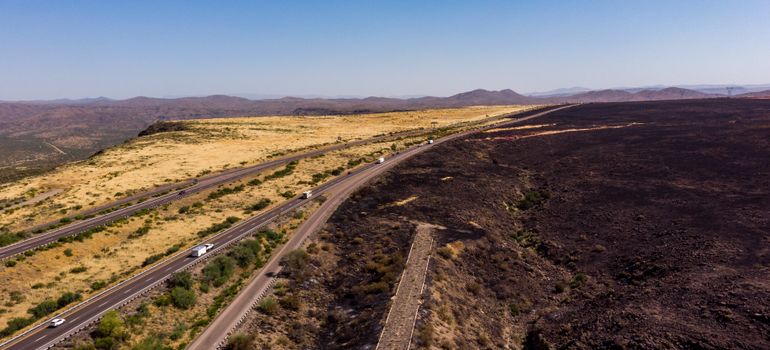
Loop 202 changed how Laveen connects with the rest of metro Phoenix. The South Mountain Freeway added 22 miles to the regional network. It opened on December 21, 2019. The project cost about $1.7 billion. At opening, ADOT called it Arizona’s largest highway project. The route connects the East and West Valley. It also provides an alternative to Interstate 10 through central Phoenix. That regional access is another important part of what to know before moving to Laveen AZ.
That sounds useful. And it is. Still, local streets matter just as much for daily life. Dobbins Road is a good example. Phoenix plans to improve the corridor from Loop 202 to 27th Avenue. The plan includes:
- Widening Dobbins Road to 4 lanes
- Adding sidewalks and trails
- Improving transit access
- Adding lighting
- Improving drainage
The pre-design phase began in April 2025. As growth continues, local traffic may keep changing too. Those changing travel patterns are part of living in Laveen AZ as the area grows.
Is shopping keeping up with Laveen’s growth?
More homes usually create demand for more nearby services. Laveen is following that pattern, although development is still uneven. The area around 59th Avenue and Dobbins Road remains especially important. Earlier planning identified that location as a village core. Current projects continue building around that idea.
Laveen Towne Center is the clearest example. Earlier Phoenix materials described about 400,000 square feet of town-center space. Current zoning now covers 95.11 acres and allows several commercial uses. That could mean more retail, dining, and entertainment options over time. However, planned space is not the same as an open business. Current and future services are therefore another part of what to know before moving to Laveen AZ.
Laveen already has established recreation as well. Laveen Village Park sits at 3146 West Vineyard Road. It includes basketball, volleyball, a playground, shaded picnic areas, restrooms, and a splash pad. So, are services keeping pace? Gradually. Their continued expansion can make living in Laveen AZ as the area grows more convenient over time.
How is growth affecting Laveen schools and neighborhoods?
School enrollment gives a useful picture of local growth. Laveen Elementary District has added students in recent years. Average daily membership reached about 7,224 students in 2022-23. It increased to around 7,404 in 2023-24. By 2024-25, it reached about 7,612 students. That is an increase of roughly 388 students in 2 years. The growth rate is about 5.4%.
Several district schools also serve different academic needs. Vista del Sur Accelerated Academy serves preschool through eighth grade. It received an A grade for 2024-25. Desert Meadows Elementary also serves preschool through eighth grade. It received a B grade. School growth and neighborhood differences belong among the most practical points about what to know before moving to Laveen AZ.
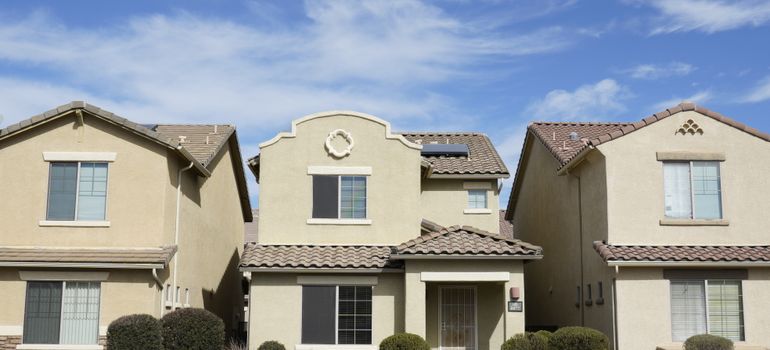
Neighborhood differences matter too. Newer subdivisions may sit close to older, lower-density areas. Some parts still reflect Laveen’s agricultural character. Others feel much more suburban. That variety can be appealing. It also makes location especially important when living in Laveen AZ as the area grows.
What are the pros and cons of living in growing Laveen?
Growth brings benefits. It also brings trade-offs. On the positive side, Loop 202 gives Laveen strong regional access. New commercial projects could add more shopping and services. Road improvements may also make some local trips easier. Laveen Towne Center includes planned transit improvements too. Those plans call for 2 bus pads and 1 bus bay.
However, continued development can create pressure on local roads. Phoenix’s Dobbins Road project directly addresses congestion and safety concerns. The city plans 4 lanes between Loop 202 and 27th Avenue. Construction is another factor. Nearby vacant land may not stay vacant. A quiet view today could look different later.
There is also no single Laveen experience. Some areas still feel more rural. Others look like newer suburban Phoenix. Understanding that contrast is useful when researching what to know before moving to Laveen AZ. It can also determine whether living in Laveen AZ as the area grows suits your priorities.
Is moving to Laveen while the area is growing right for you?
Laveen offers a mix of established neighborhoods and active development. That creates more housing choices, stronger road connections, and growing commercial activity. At the same time, it can mean more construction and shifting surroundings. For many new residents, that balance will be the deciding factor. Do you want newer development nearby? Or do you prefer a more settled area? Moving to Laveen while the area is growing can make sense for many households. The key is understanding how much change surrounds your specific neighborhood. Laveen is not growing in one uniform way. That is what makes local details so important. If your move depends on timing, access, or neighborhood conditions, you can contact us with the details of your relocation.
FAQ
Everything you need to know before hiring Arizona movers, from costs and scheduling to services and move-day expectations.
How expensive is housing in Laveen?
Current housing costs vary by property type. Trulia reported an average listing price around $447,170 for 4-bedroom homes in July 2026. Average rents were about $1,702 for 1-bedroom apartments and $1,885 for 2-bedroom apartments.
Is Laveen a good option for remote workers?
It can be. Remote workers may benefit from avoiding longer rush-hour commutes while still having Phoenix access. One recent neighborhood analysis estimates around 20% of residents work from home, although internet availability should still be checked by address.
Does Laveen have larger homes than central Phoenix neighborhoods?
Many Laveen neighborhoods feature newer single-family homes and larger parcels. Trulia reported the typical 4-bedroom Laveen listing at about 2,234 square feet in July 2026. Older semi-rural areas can offer very different property layouts.
Is Laveen considered suburban or rural?
It is increasingly suburban, but the answer depends on location. Laveen still has horse properties, open land, and lower-density areas beside newer subdivisions. This mix gives parts of the village a semi-rural character despite ongoing development.
Are there many local jobs in Laveen?
Employment options are developing, but many residents still commute elsewhere in metro Phoenix. Current resident feedback frequently mentions limited nearby job choices. Planned commerce and technology projects could expand local employment options as development continues.